



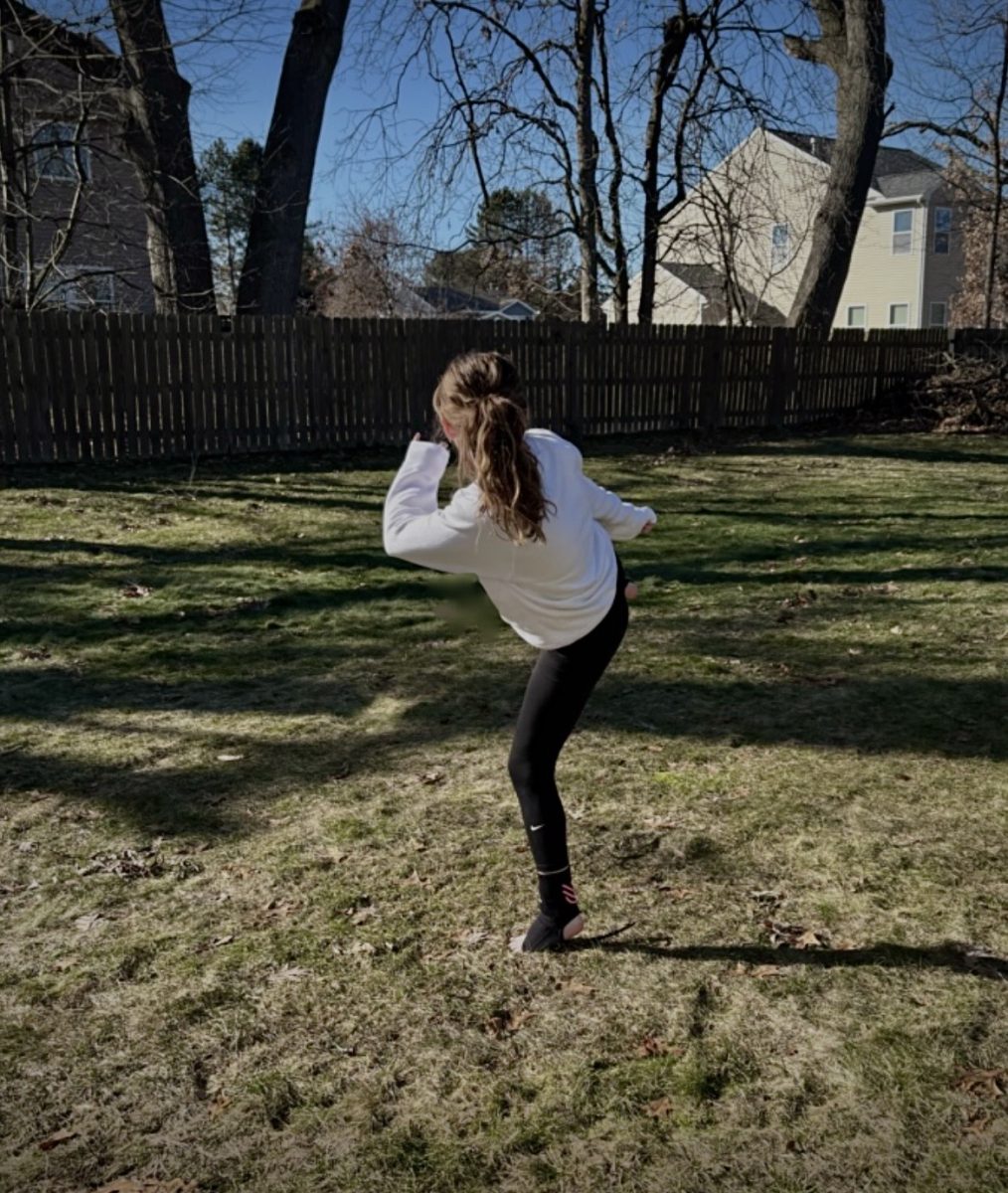
“The martial arts is a search for something inside. It’s not just a physical discipline.” – Brandon Lee
There was always something magnetic about watching people fight with nothing but their own bodies: no weapons, just pure physical skill. The beauty of it was endless, even when it meant taking a painful kick to the face. Some are fearful of this pain or the adrenaline that comes with fighting, but for others, that feeling is exhilarating. It’s home. Martial arts isn’t only about fighting, though; it’s a practice that improves everyday life, and a practice that could save one’s life someday. For me, it was self-defense, and a strong passion that entered my life. After conquering the fear of attending a class that was unfamiliar to me, I realized that martial arts gave me something to fall in love with. It does this continuously for others, as well, as it empowers not only the body, but also the person inside of it.
A history of self-improvement
For centuries, the practice of martial arts has influenced many throughout the years and throughout the world through self-improvement. Martial arts masters like Bruce Lee continue to be influential role models for both martial artists and non-practitioners, inspiring them to improve themselves and some to pursue the sport. For example, Lee once said, “Pain will leave once it has finished teaching you.” This saying highlighted that pain is temporary in both life and on the mat, making it inspirational. Lee identified pain as a teacher, and instead of avoiding the pain, one can learn from it. That quote, as well as other quotes Lee and other martial arts masters have said, continues to impact his fans and grow the popularity of martial arts. The increasing popularity of this sport is not accidental, however; according to a study published by the Journal of Human Kinetics, martial arts training has been found to have positive psychological effects like stress reduction, better mood, and improved self-confidence. It is also scientifically proven that activities such as punching boxing bags can reduce stress and anxiety, contributing to a calmer, more focused person. Martial arts are efficient in this category because they release negative emotions through physical activity, providing not only relief but also burning calories and strengthening muscles. Also scientifically proven, martial arts boost self-esteem as students actively work towards new skills and goals, which can boost dopamine and an eagerness to succeed. Overall, the sport enhances life satisfaction through the achievements students make and the pride they develop, which in turn boosts their self-confidence. Another significant and obvious benefit of martial arts is that it teaches self-defense and provides protection for those who practice it. A study from the Journal of Injury Prevention found that individuals who received self-defense training were 60-80% less likely to experience physical assault compared to those who hadn’t received training. Martial arts are especially important for women because of this reason, as an estimated 840 million women have been victims of physical and/or sexual violence. Though a historically male-dominated sport, the number of women in martial arts has increased and continues to increase. Now, about 30% of women make up martial artists, and more are interested in discovering what the sport has to offer.
Building people, not weapons
Martial arts do more than build physical and mental strength, though; they also develop core qualities such as discipline, focus, and respect. In many martial arts schools, instructors strive to teach their students these qualities, often emphasizing them more than strength or skill. For Ruel and Destiny Taylor, head coaches at Midwest Thaiboxing Academy, respect and discipline are foundations in their gym. “Respect and discipline are extremely important in our gym,” says Destiny Taylor. “It sets a standard for our students and us as coaches to follow and strive for.” Taylor also explains that respect should not only be shown toward instructors, but also toward classmates. “Respect keeps everyone safe and encourages everyone to take care of each other on the mats,” she says. “You can have a hard sparring round without egos and can help each other build as [martial artists].” This respect also extends to culture, as martial arts expose students to traditions from which their art comes. Practices such as bowing, common in martial arts including karate, Taekwondo, and Muay Thai, are respectful and reflect the culture. Students bow to their instructors and to classmates before and after sparring to show respect to one another and the traditions. Beyond respect, these arts also improve students’ discipline and encourage them to push their limits. Andy Gorham, a seasoned jiu-jitsu instructor at Southside Dojo, believes martial arts challenge students in ways they don’t expect. “Martial arts is a way to push [one’s] body and mind further than one may think is possible,” he says. Gorham spotlights this perspective that some students don’t believe they can achieve certain skills, but martial arts eventually help them exceed their limits and grow. This demonstrates that discipline captures a deeper, significant meaning of martial arts that is essential not only for the sport but also for the person practicing it.
Though sometimes painful, training in martial arts has repeatedly proven to improve lives in a variety of ways. Popular films match this reality, from The Karate Kid’s Daniel LaRusso to Ip Man, where these characters overcome difficult obstacles, developing discipline, respect, and skill. This mirrors how students in martial arts not only learn to fight, but also learn to respect others, develop healthy discipline, and improve focus. Gorham encourages those interested to take the first step, suggesting, “[Try] different styles and classes to see what resonates with you and what appeals to your natural gifts.” This process can be long, and it has been for me. However, since I started almost three years ago, I’ve improved significantly, not only physically, but also mentally. It’s rewarding to see how far I’ve come, and martial arts can empower many and help them unlock this version of themself they didn’t know existed. “[Martial arts are] helping others find their passion and helping them find a part of themselves they didn’t even know existed,” explains Taylor. The sport isn’t for everyone, but it comes to a person when they least expect it, which can be a blessing. After all, martial arts is never just a sport; it’s a lifestyle that strengthens oneself from the inside out.
Sarah • Feb 13, 2026 at 7:07 pm
This is such a great read! Thanks for the great info